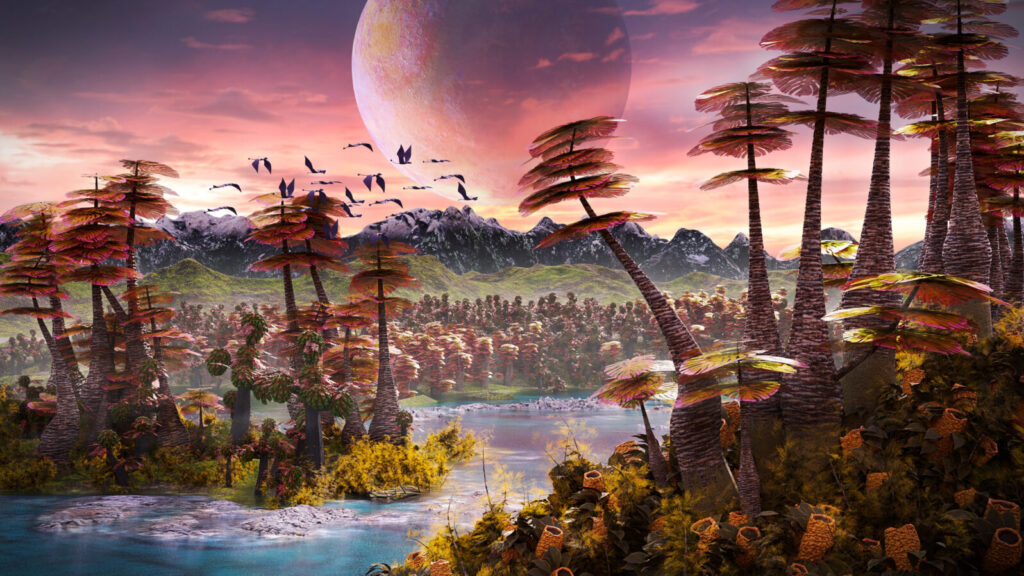
I am realizing that I need to flesh out my government more for my story, Leaving Home. What should a government be like for a fledgling colony on a new planet? I imagine people wanting to hold on to what they have always had, or wanting to start over because of the apocalypse I gave them. Would they try for a utopia? What is a utopia, and what would it actually look like?
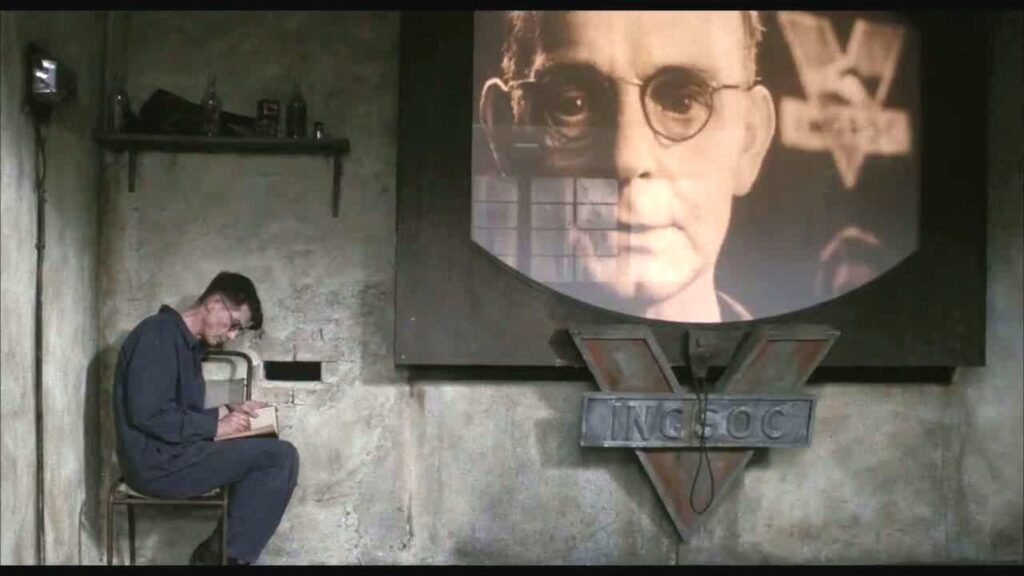
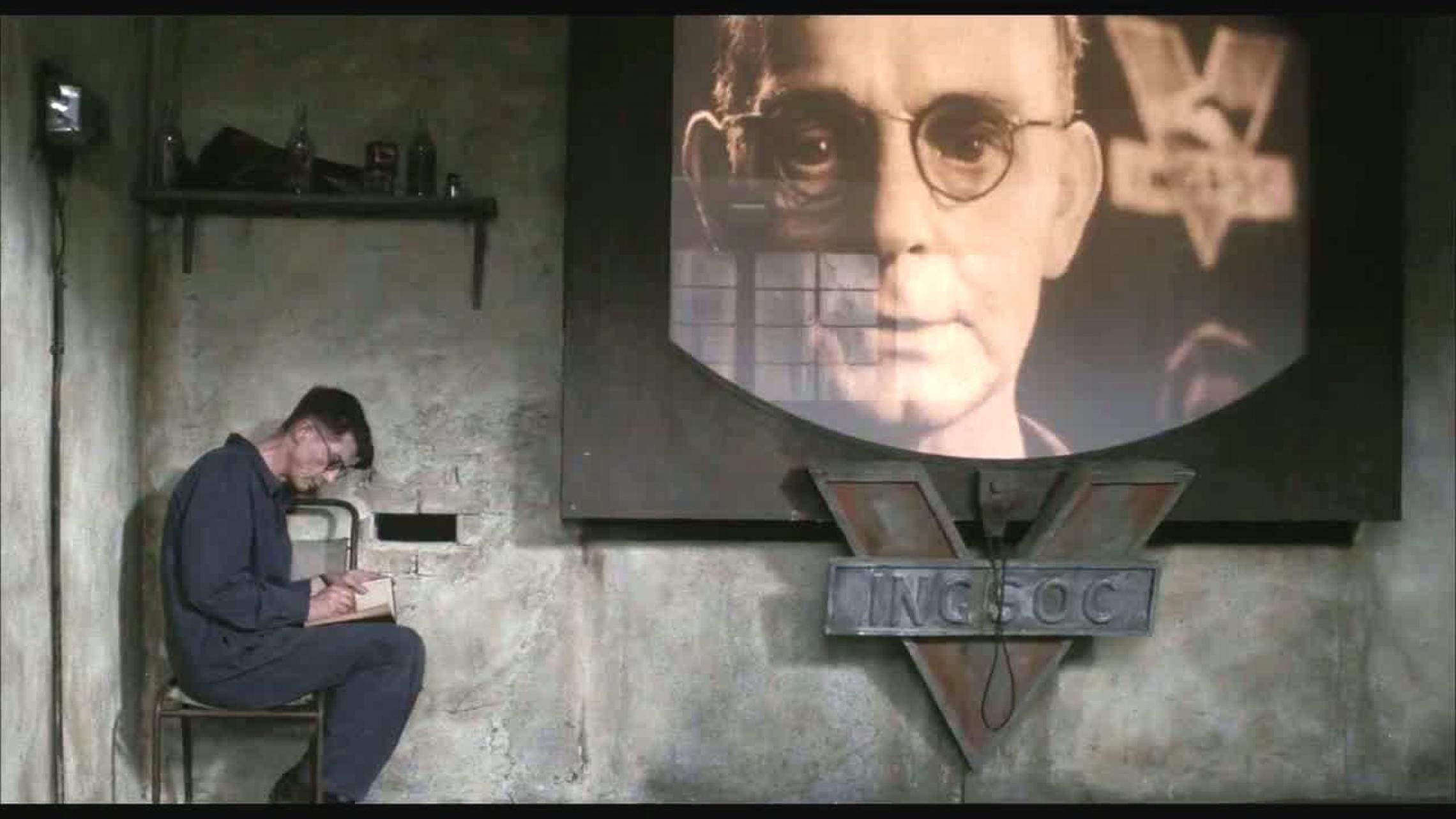
We are an odd lot, us humans. We want the freedom to do as we like, but we want others to follow our dream, so where is the utopia for them? In literature, utopia seems like a misnomer to me. I don’t think there is a good example of one. George Orwell’s 1984 (1949), Suzanne Collins’s The Hunger Games (2008), and Veronica Roth’s Divergent (2011) are definitely dystopias and are meant to be taken as such. However, if you look at Brave New World 1932 by Aldous Huxley and The Giver 1993 by Lois Lowry, they seem like a utopia, but only at first. Which is like real life, but not very comforting.
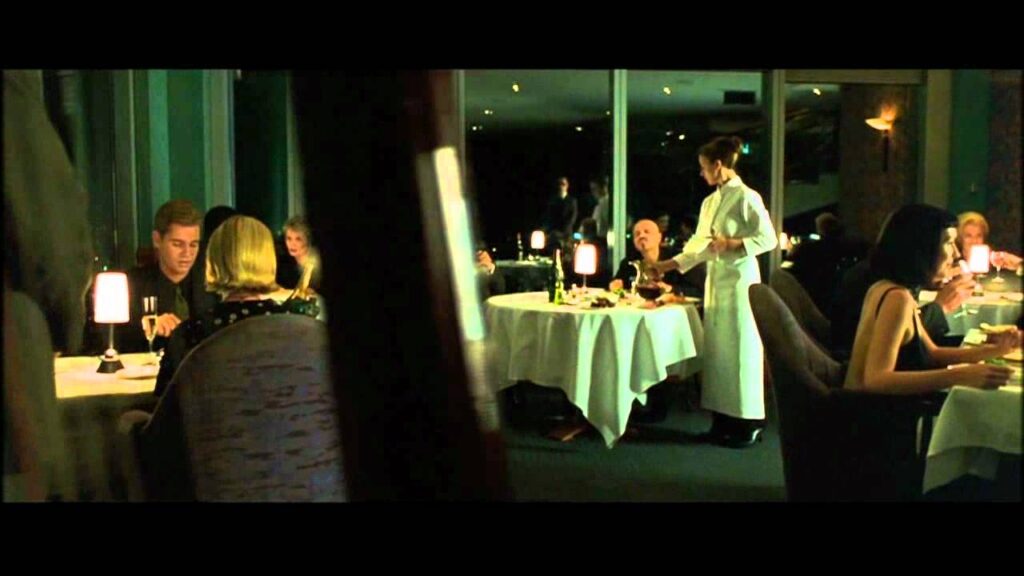
Still, when you start scratching below the surface, it’s another form of totalitarianism with a facade that feels real. Indeed, I think some would like to live in it, especially if they could stay ignorant of reality. The movie The Matrix1999 offers a great example. One of the characters betrays his comrades so he can be put back “in”, as long as he is in a good position with money and other luxuries. He knows it is all fake but doesn’t care as long as he is taken care of and doesn’t remember reality. In truth, I think a true utopia is like the idea of heaven; people assume it would end up being boring, with no drama to keep it interesting. So why write about it?
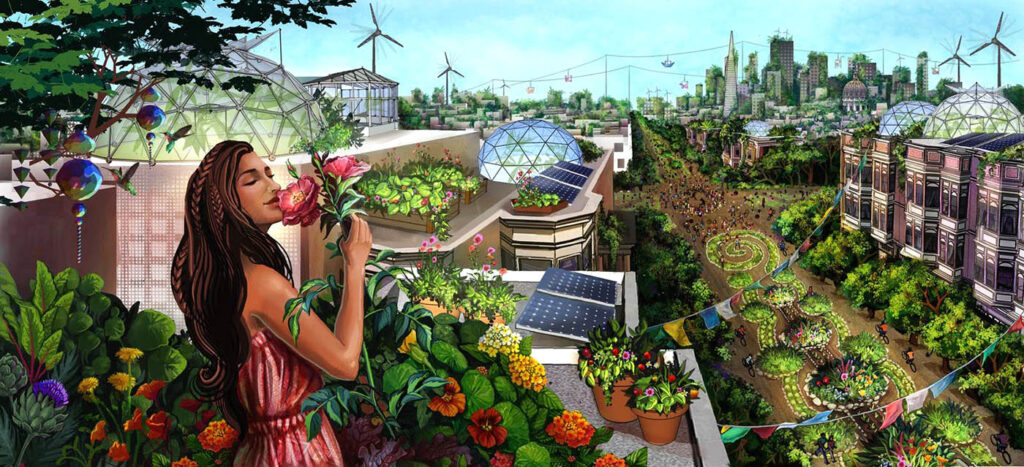
The Fifth Sacred Thing by dreamnectar, 2012. Source: DeviantArt
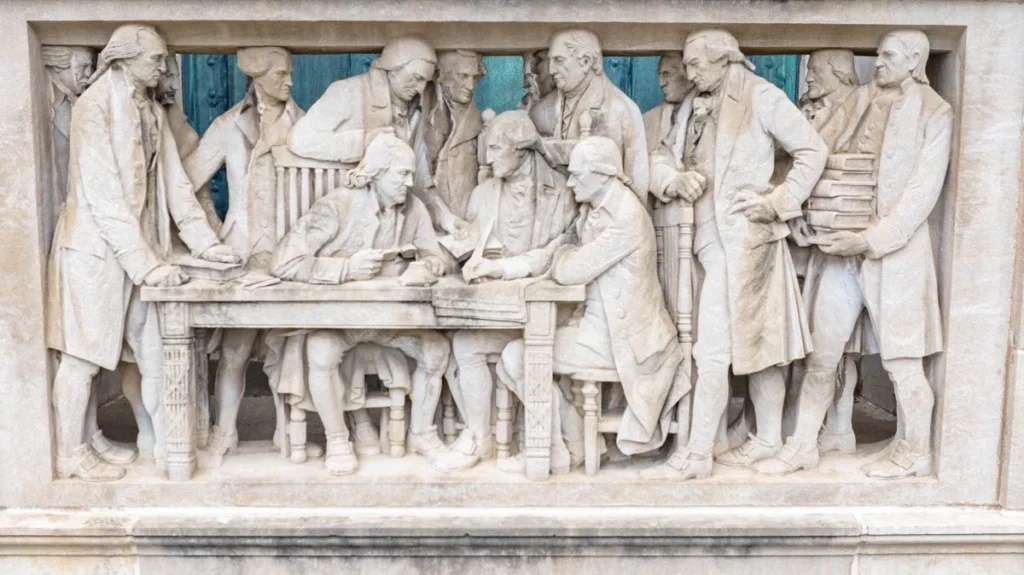
So how do you deal with people when they all have different ideas about how to live? I admire how the Founding Fathers of the United States dealt with these issues. They worked to create a government that gave each person as much freedom as possible, while still having enough law enforcement to keep life from becoming too unpleasant and to keep the government from collapsing.
Very tricky, I would say. Over the years since that inception, many have tried to chisel away at those safeguards. Some try to destroy them out of pure ignorance, and some because they want a new system. What scares me is that when you tear something apart here and there, the result is never certain.
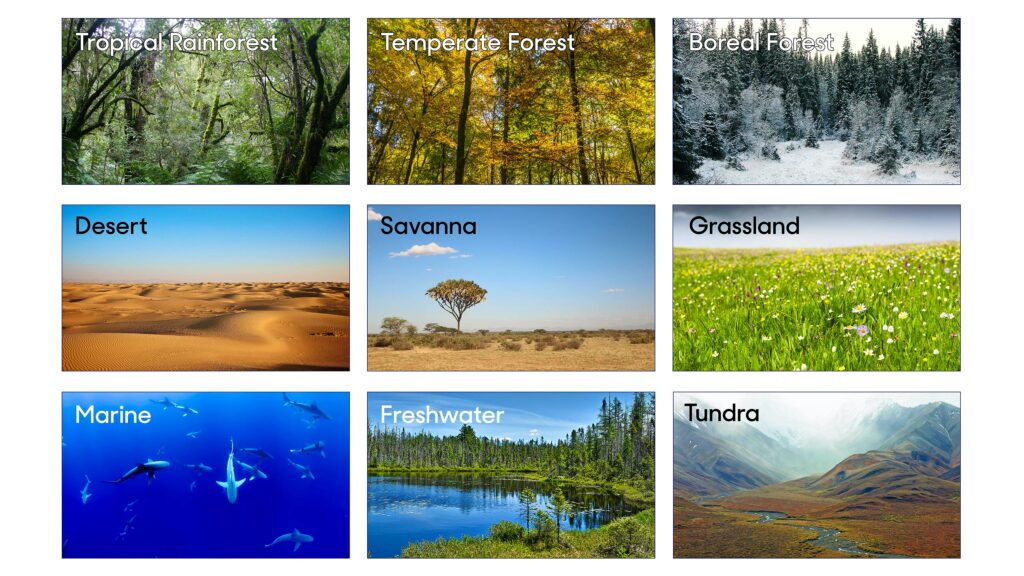
A biome is the largest geographic biotic unit, a major community of plants and animals with similar life forms and environmental conditions.1 An example of a biome is at the opening of my story, the Sonoran Desert. This type of desert is specifically classified as a desert and xeric shrubland biome. Yes, a mouthful, but I like organizing this way to show that Mother Earth is one of the prominent characteristics of the new colony and something the colonists will not easily forget. The biomes plus their adjacent humans are taken, soil and all, with a little of alien science (but maybe magic?) to form a flotilla into space. Our brave survivors have managed to include all of Earth’s biomes, and each biome becomes its own state.
The colony has a variety of people and ideas, but I wanted to balance priorities with what we all share: our planet. Now, though, how do I get all these different people to the new planet without killing each other?
To make my proposal work, we need a sturdy, realistic foundation. Initially, the biome state has a group of humans, animals, and plants that are the originals, but soon others want to join. Life after an apocalypse is rough, and seeing a group organize and survive is very attractive, but can you let everyone who wants to come in?
I think we can start by looking at the world and learning from the lessons it teaches. You could also call it a rational look at the universe’s structure. I see this as a good explanation of evolution-if it works, it stays; if not, it doesn’t.
What stands out to me is the emphasis on building strength in both individual citizens and the group as a whole.
It would be human nature to want to add more people to your group, but you couldn’t openly advertise, open the gates, as it were. You would have to be aggressive at protecting your compounds. You would have to extend invitations with thorough vetting. I don’t mean I would be cruel to those inferior in physical or mental strength, but certain standards must be agreed upon that will give the colony its best shot at making it work. However, each individual has a skill and a unique and valuable way about them. Variety will be just as important as standard ideas of intelligence levels and strength. This, of course, is a bit esoteric and needs development, but it should be fun for me to figure it out.
So, the steps for accepting applicants who want to join the colony.
First, assess each applicant’s personal life (where possible; it is an apocalypse tale after all). Establish a level of secrecy from the outside world.
Second. Assess the applicants’ education and aptitude. Minimum standards need to be set.
Third, upon acceptance, classes would begin with a thorough review of the basics, with options to test out for those farther along.
Next, I have to devise a constitution.
Obligations of the government:
Establish rights for citizens, establish and maintain biome infrastructure, and create a fair legal system.
Protect them from the elements and any enemies from the time they sign on for the trip to the new planet
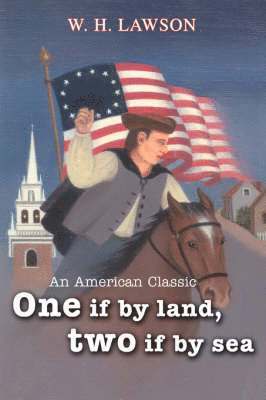
Establish education standards designed to get citizens to the highest level possible and continue with each generation. Basics required for all, but beyond that, a program designed to cater to each person’s strengths. Education would be available throughout the citizen’s life.
I also believe that once the colony is established on the surface of the new planet, not all will remain bound to the original flotilla. This needs to be allowed, even expected. I am not sure how this would play out in their future, though. There are no guarantees it will all work out, but I don’t want my colony to be authoritarian to try to prevent fracture.
Whew! A lot, but thank goodness I’m writing it, not living it.
The End
©J M Strasser, September 2025. All Rights Reserved
Sources
1. https://www.britannica.com/science/biome
Images

2. https://luxurylondon.co.uk/wp-content/uploads/2022/08/1984-orwell-big-brother-xl-hd.jpg
3. https://i.ytimg.com/vi/UvdsbQ3VxLA/maxresdefault.jpg

4. https://www.thecollector.com/what-is-the-history-of-utopian-societies/
The Fifth Sacred Thing by dreamnectar, 2012. Source: DeviantArt


7. https://image.bokus.com/images/9780595446940_383x_one-if-by-land-two-if-by-sea_haftad