I am a fervent admirer of science fiction. However, I have often found myself in the crosshairs of those who do not share my passion. This conflict led me to ponder the origins of this captivating genre. Our ancestors began telling tales to pass down wisdom, warn of danger, and dream. From there, writing was invented to record and share those stories—a tradition passed down through the ages. Of course, the rush to classify started with that first story; classifying is a human pastime.
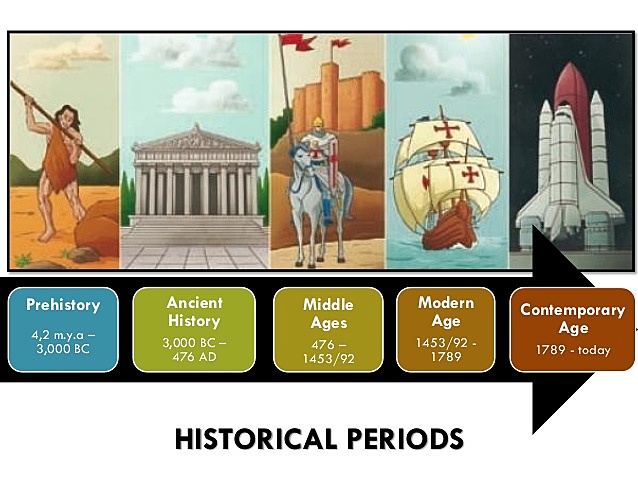
Time is recorded in years before and after the birth of Jesus Christ- BC and AD, at least in Western civilization. 476 AD starts the Middle Ages, the Modern Age, and the Contemporary Age. The date of Christ’s birth is not explicitly known, though some license is taken with that, producing what seems to be exact years. The number of years Earth has been around is also unknown, nor when humans came on the scene, making those years equally precarious, so keeping the established system is easier since it is established protocol. Until more is known, the system of years will probably remain that way.
It is essential to understand that many subjects I touch on don’t usually include those outside Western civilization. Eastern knowledge and progression were at a different pace and type, but they were still part of the human evolution of writing. These ideas are often not included in discussion, but I acknowledge them even if I don’t know much about the subject. I suspect that part of the world doesn’t know much about the Western side. This is an interesting problem and, in many ways, a silly problem.
The evolution of genres is deeply rooted in the tradition of storytelling, a fundamental aspect of human communication and culture. The journey from the earliest forms of communication to the complex narratives we have today is fascinating, sparking intrigue and engagement among readers.
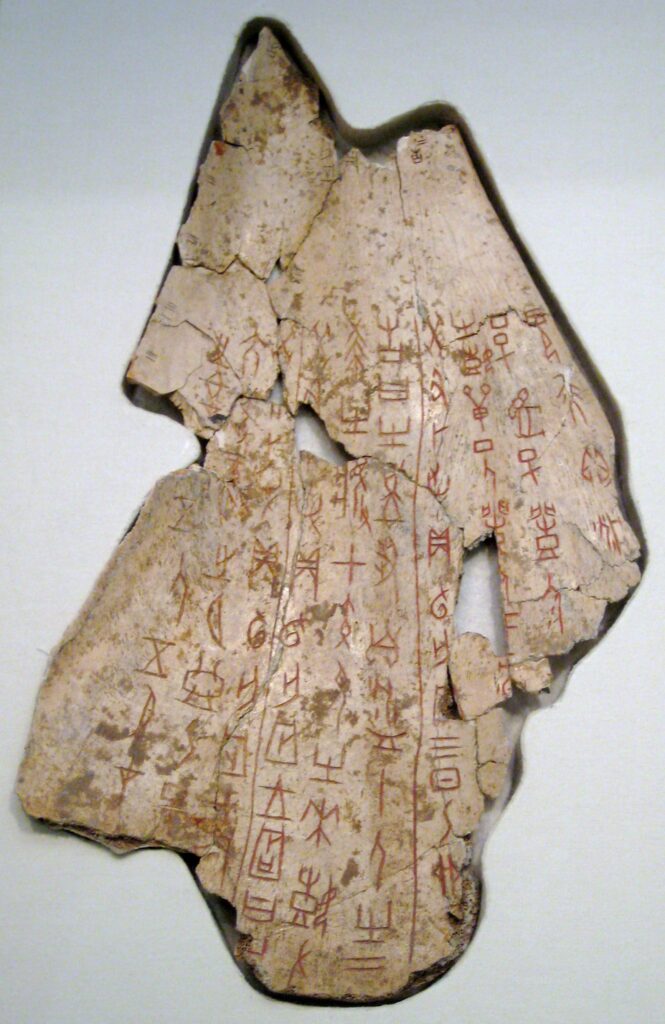
Once humans spoke, stories began. These tales inspired and taught the generations. First, the storyteller needed to get everyone’s attention, and the tales were grand adventures of heroism and universal themes, the real crowd pleasers. The oldest stories come from here, including passing down what would eventually become religious texts. These exciting and essential ideas generated the impulse to think and dream. They circulated through the tribes and hung around for history to record.
Next, writing emerges, – “four independent inventions of writing are most commonly recognized—in Mesopotamia (c. 3400–3100 BC), Egypt (c. 3250 BC), China (before c. 1250 BC), and Mesoamerica (before c. 1 AD)”. 2 Tomes with tales decorated in precious metals made these first books popular but as you could guess, not with the peasant class-the largest population in any civilization then as now. The rich try out everything first, like the ‘brick’ cellular phones. The first of anything is often clunky, but it can become a better, more affordable product if it works well.
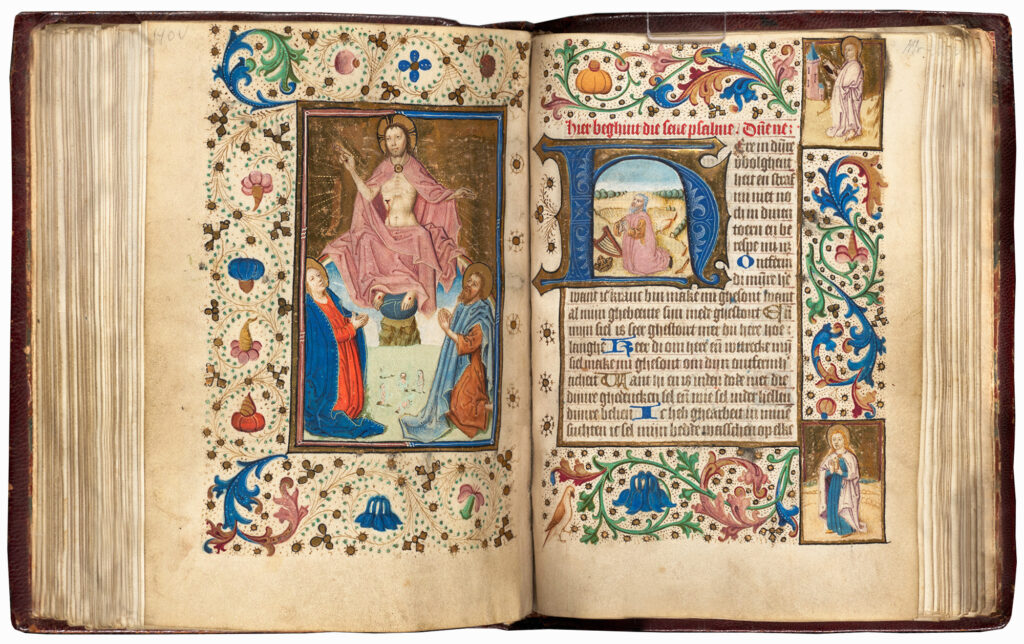
The Medieval Period (476-1400 AD) was dominated by religious texts. The Renaissance Period (1400 to early 17th century) witnessed the birth of new literary forms, such as the essay and the novel, which challenged traditional narrative structures and delved into the complexities of individual experience. A significant milestone in 1450 AD was the invention of Guttenberg’s movable printing press. This revolutionary device democratized access to literature by significantly reducing the cost of book production, thereby sparking a literary renaissance.
From 1700 AD to 1800 AD, the novel became the dominant literary form, showcasing a rich diversity of subgenres. These included distinct subgenres within the novel—the gothic novel, with its dark, mysterious settings and supernatural elements, and the romantic novel, focusing on individual emotion and nature’s beauty. Religious texts were widely used, but until the printing press and the translation into other languages, they were held mainly through institutions.
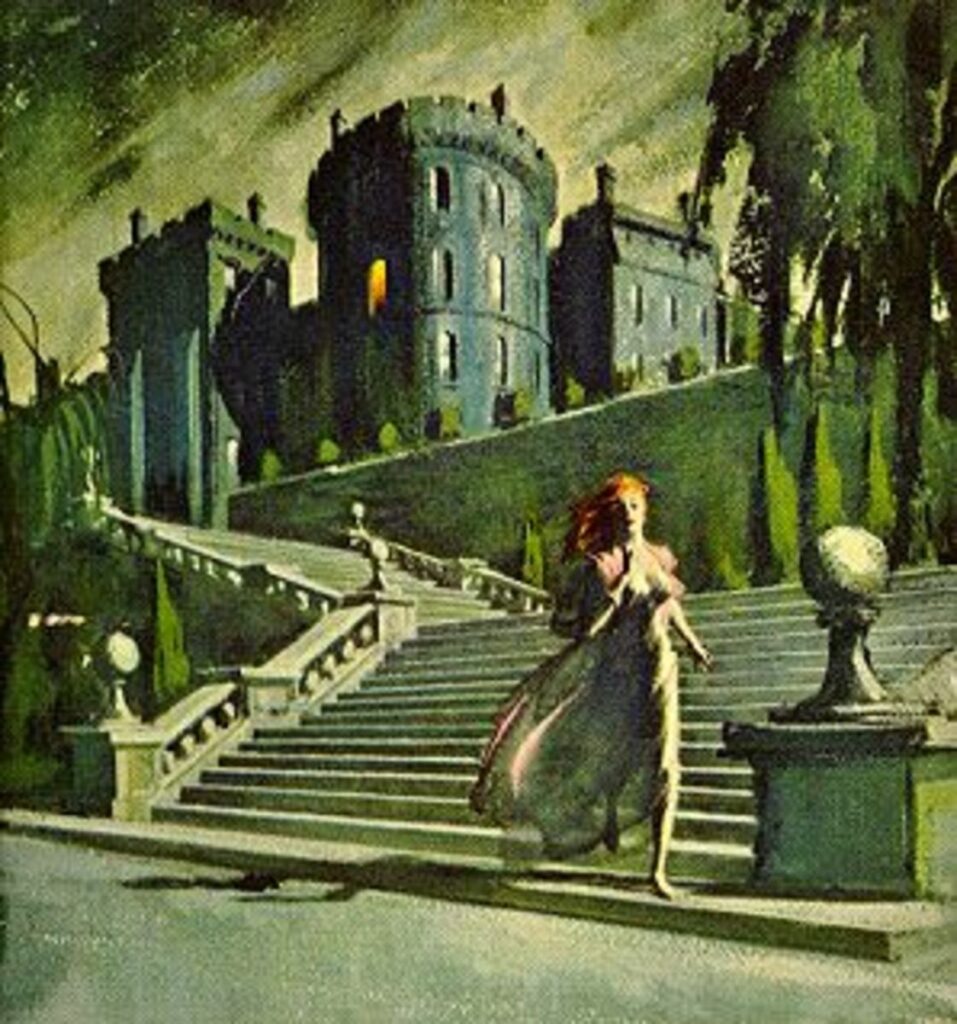
In the modern era (1900 AD), we have seen an explosion in the number of books and the type of writing. For the single need of organization, the books must be sorted into types; otherwise, how do we find what we’re interested in? Much argument ensues over what constitutes science fiction. It is often lumped into fantasy and horror because the stories dabble around the spectrum. The writing was never about one idea, one set, and one type of character. It has a theme, but there is so much variation. I don’t get too wrapped up in sorting these stories but fiercely hang onto science fiction. Definitions often point to extrapolation over what could happen in the future based on what we know- ‘the science facts’ of today, but that sounds too far away. Fiction also explores what happens to us just a few minutes into the future. It is something we are all familiar with.

Yes, much argument over classification- it’s understandable. On top of that, classification is used for quality. Here is where I have great trouble. My genre is better than your genre. Science fiction has gained a reputation for being of a lower quality. Back when the ‘pulp’ novels started to emerge, those stories offered were often the sensationalist type- science fiction and horror adventures of monsters with damsels in distress, criminal and detective stories, and westerns that could get a rise out of the readers. However, even at that time, great writers were honing their skills. Under the tutelage of John W. Campbell at Astounding Magazine, writers Isaac Asimov, Robert A. Heinlein, Theodore Sturgeon, L. Sprague de Camp, A. E van Vogt, C.L Moore, Henry Kuttner, Leigh Brackett, Lester del Rey, and Jack Williamson led the way into what is called the “Golden Age” of science fiction by becoming great writers in their own right.
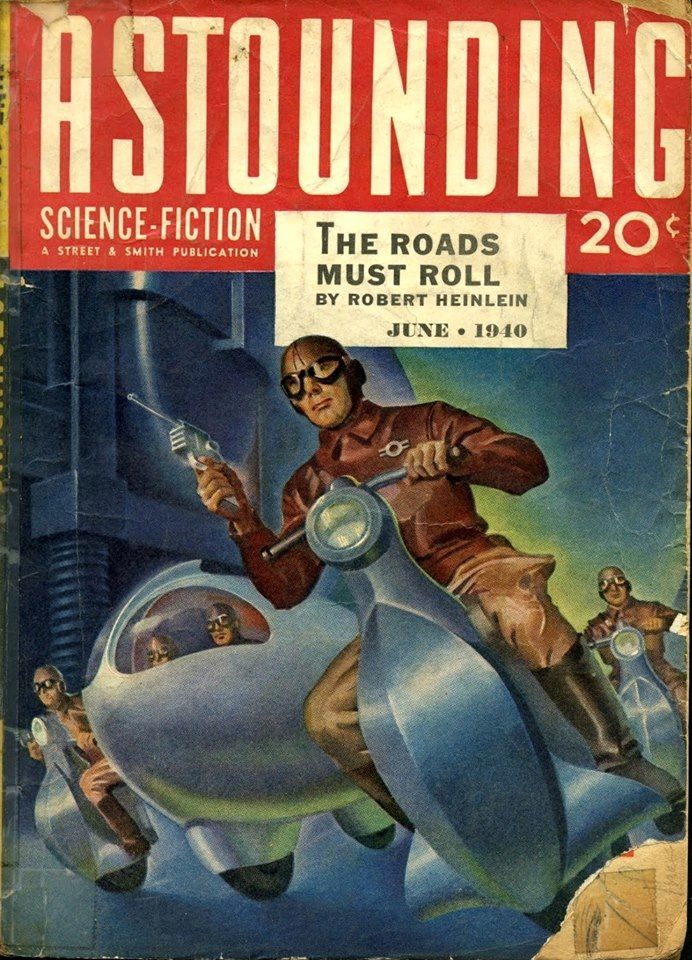
Science fiction has gained a reputation for being of a lower quality. Back when the ‘pulp’ novels started to emerge, those stories offered were often the sensationalist type- science fiction and horror adventures of monsters with damsels in distress, criminal and detective stories, and westerns that could get a rise out of the readers. However, even at that time, great writers were honing their skills. Under the tutelage of John W. Campbell at Astounding Magazine, writers Isaac Asimov, Robert A. Heinlein, Theodore Sturgeon, L. Sprague de Camp, A. E van Vogt, C.L Moore, Henry Kuttner, Leigh Brackett, Lester del Rey, and Jack Williamson led the way into what is called the “Golden Age” of science fiction by becoming great writers in their own right.
It’s essential to recognize that the genres of the pulps, despite their initial purpose of quick turnaround exciting stories, all produced great literature. This underscores the value of diverse literary contributions, making each genre and its unique characteristics an integral part of the literary landscape.

It is human nature to classify and judge, if you will. We all want to do it, and it can help each person make their own choices, but it can become cruel. Classification has to happen, and time weeds out the stars, which means what most people think they are. Thank goodness we have the freedom to choose, infinite (almost) variety, and the ability to make contributions. More and more ideas are being brought forth, which may never be forgotten with the internet. Unfortunately, like the lost video of the original Doctor Who, their memory is there, but they were too early for posterity. This is life and to be human. I like lots of choices, even if it gets confusing or contentious.
The End
© JM Strasser March 2025 All Rights Reserved
Sources
1. https://www.allthewritenotes.com/exploring-the-history-and-evolution-of-literary-genres/
2. https://en.wikipedia.org/wiki/History_of_writing
Images
1. https://cf.ppt-online.org/files/slide/g/GhWu94beBolm7STajpiX2Cx3H1yYAfkMnK0EqZ/slide-0.jpg
3. https://historyofinformation.com/images/Shang_dynasty_inscribed_scapula.jpg

4. https://www.bpl.org/wp-content/uploads/sites/30/2019/01/MS-q-Med.-172-1.jpg
7. https://i.pinimg.com/originals/42/aa/e3/42aae3a6bd0842ea6b5e60c0d84235ab.jpg