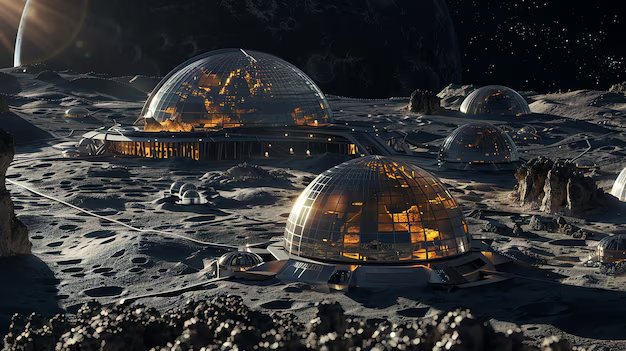
There is much discussion about starting a colony away from Earth. Discussions about the moon have long been part of science fiction and NASA plans, but different administrations have had different ideas about it. Next came Mars, with Elon Musk very gung-ho about it, and by sheer will (and, of course, much more), he has gotten closer to that goal with SpaceX than anyone. Now, the target is back on the Moon with Elon cheering it, but what are the reasons to want this gigantic goal?
Humans going to another planet (or to our moon) couldn’t be as bad as seafaring was. Amusing but interesting concept because it was horrendous.

Which brings up a more serious note: we can be sure we won’t replace any local inhabitants, a notion in this first foray that is a bit premature. I don’t believe there are animals or plants in our solar system, but there could be smaller creatures like bacteria, which we could also have left behind on the Moon. So, in general, what is the ethical way to deal with that? Star Trek II: The Wrath of Khan (1982) had quite a nice discussion on this topic and how it can be used for horrible purposes.
A pro is the advancement of science. Finding answers to major issues on Earth. In addition, we would take other life forms from Earth out to our new colony, something those life forms could not have done on their own.
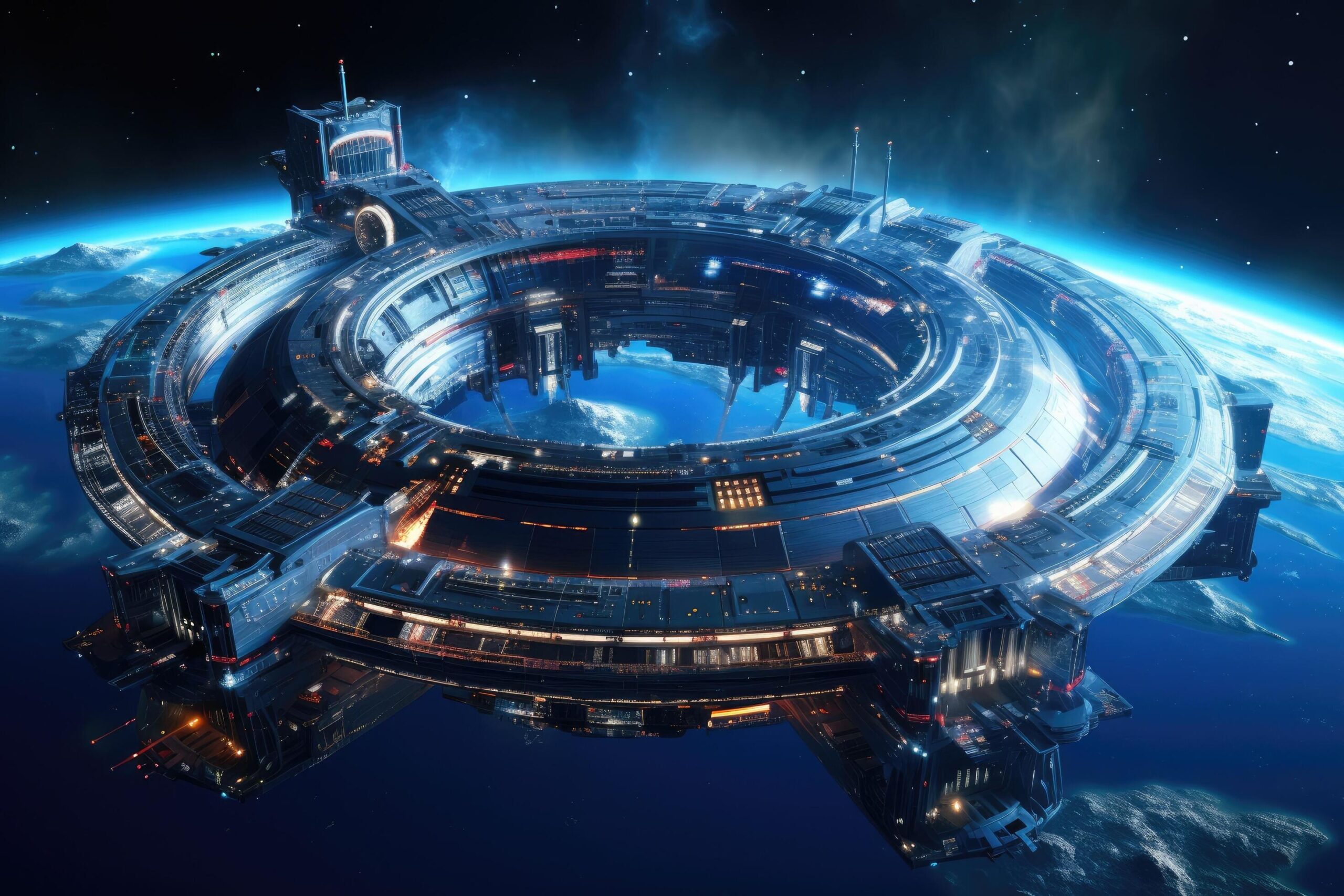
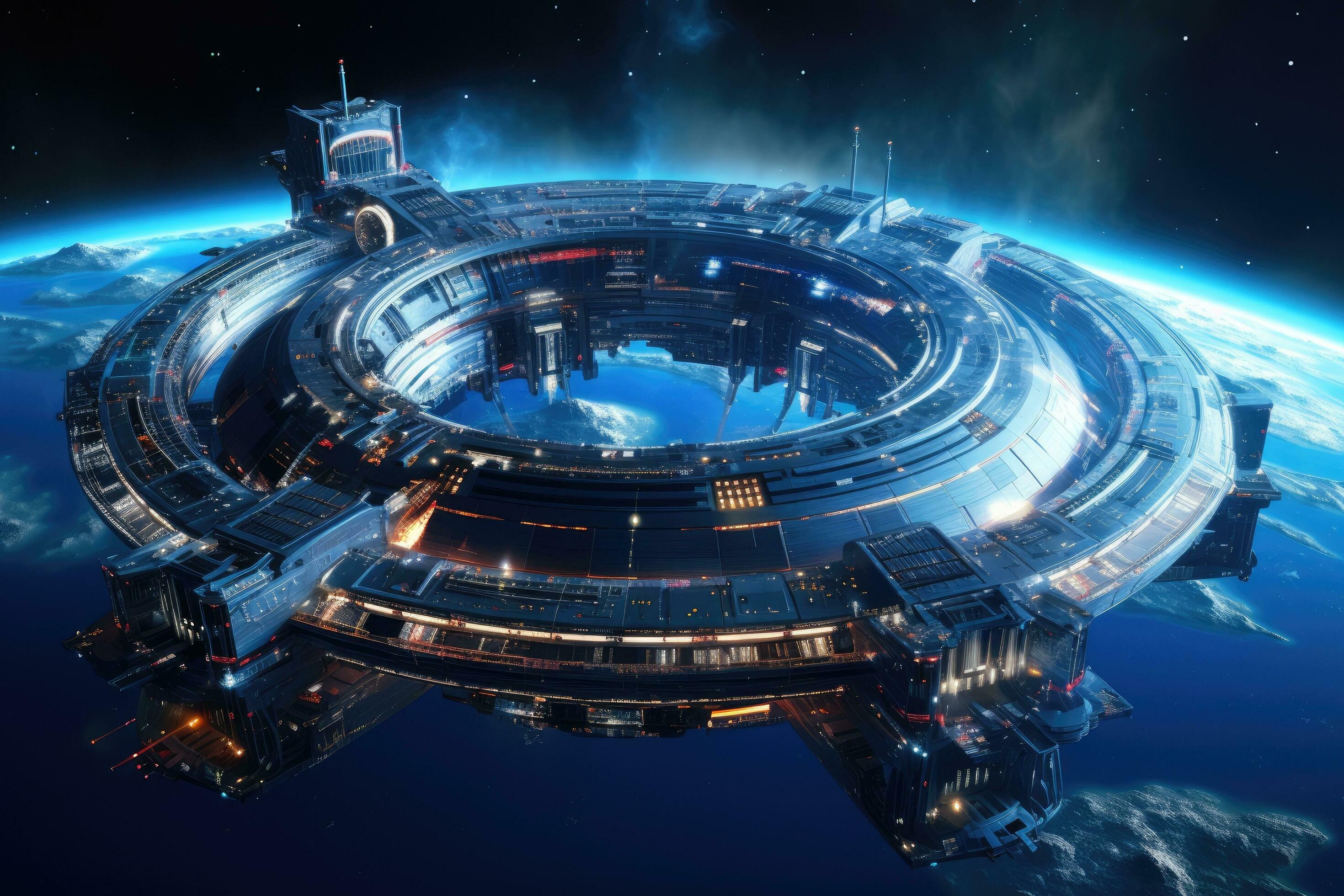
One solution is to build large space stations equivalent to a city, which could serve as a colony and a port for travel to other locations. This is also a proposed function of a colony on the Moon and one of the reasons the plans have changed back to the Moon. It makes sense to have a base linking the next leg of the journey to other planets and, possibly, beyond the Solar System. The location is one of the Moon’s major benefits: its proximity to Earth.
Now, more on the negative side of the equation. The first one I always hear is that we don’t know how to do it, and we might as well concentrate on our home planet.
Yeah, OK, what else?
- How do we get anywhere in the solar system or beyond in a reasonable amount of time?
- How do we make a new home comfortable? Survivable?
- What about radiation?
- How will we reproduce there? Ethically?
- What about human rights when survival is at stake?
- An emergency occurs, and you can’t get help fast enough or get home fast enough.
What about the places we are considering outside the solar system? What if there are inhabitants? Whose the alien now?
Will the colony be claimed by countries or Earth?
What I think. Most of these objections have merit, but so do the positives. Could it go catastrophically wrong? Yes, it certainly could. Should that deter us? I don’t think so. Did the colonies established on Earth go swimmingly? Of course not. Do we worry over it now? Yes, we do, but do we accept the need to try? I think we should, and the mistakes we made have been extensively hashed over, with many solutions brought forward.
Mostly, I think the guilt over colonizing indigenous people is lacking in background; we forget that those indigenous people had often been colonizers themselves. This is part of human expansion, and unwinding it is tricky.
However, in this endeavor, I would be surprised, perhaps jubilant, that there was life somewhere other than Earth. Secondly, we have ‘evolved’ as a species to a great extent, and it is possible to figure this out. In the first place, we look extensively to find if there is any life. On top of that, it is a possibility to build on budding life with our own. That’s a weird idea. I have never seen that suggested, but we frequently cast humans as protectors and restorers, so it’s worth consideration. Especially, if we discover that life is extremely rare and most don’t make it. These are things we could consider. I don’t mean well-developed life like animals and plants, I mean the little guys, bacteria, or amoeba, something we are more likely to find. However, I am afraid they would have the upper hand over us on their own planet. No matter how well-intentioned we are, that could be more dangerous for us than it is for them.
We have imagined many scenarios where things went wrong. In fiction, it is thought that there must be a conflict to make the story interesting; hence the OH NO! factor when it all goes wrong. I don’t know if that would always happen, but it helps us figure things out.


I think humans can take that thought process along with our extensive scientific knowledge.
And that is the crux of it: we can do it better than in the earlier days of colonialism and migration, but it will be a huge challenge, and perhaps, or probably, the first try will fail. We must do it because we KNOW what can happen tomorrow and eventually will happen. Humans are built to want to survive; all life is- otherwise it doesn’t survive. It’s all that simple.
Now the main problem: something wiping out the Earth or at least ‘life as we know it’. That happens all over the known universe, at least to planets and even stars. We know that much; of course, we don’t know whether there was life in the first place where we observe. The point is that the mechanism is working everywhere. There are safeguards on Earth- our atmosphere. That probably makes us too comfortable. After all, taking the statistics into account, such an event can come anytime and has occurred in the past here, even if it hasn’t destroyed the whole planet, and previous events may have been worse (for us) than we originally believed. Considering the mass extinction that killed many dinosaurs (maybe not all?), we must realize the likelihood, no matter how good our
I therefore think we should take the risk, figure out as much as we can, and GO!

The End
© JM Strasser All Rights Reserved May 2026
Sources
1. https://www.newsweek.com/stephen-hawking-wanted-humans-leave-earth-heres-why-we-cant-yet-855930
2. https://www.thespacereview.com/article/4639/1
3. https://medium.com/predict/should-we-leave-earth-or-stay-and-face-extinction-b076ffac6793
4. https://en.wikipedia.org/wiki/Space_colonization
Images



5. https://falconerelectronics.com/wp-content/uploads/2018/08/armageddon-bomb-defusing.jpg